Latest News

Categories
- Mortgages
- Insurance
- Investments
- KiwiSaver
- On the Lighter Side
- Your Money
- UK Pensions
- Australian Pensions
Recent Articles




Building Wealth Through Bear Markets
Warren Buffett is well known for his advice to be “fearful when others are greedy and greedy when others are fearful.” While simple, that statement captures one of the most enduring principles in investing. The greatest long-term opportunities often appear when confidence is at its lowest.
The idea that wealth is built through bear markets - rather than at the top of bull runs - reflects this same principle. It is not about predicting the exact bottom of a downturn. It is about understanding how market cycles and investor behaviour interact over time.
Understanding Market Cycles
When markets rise steadily, optimism tends to build. Strong performance attracts attention, media coverage becomes more positive, and portfolio balances look reassuring. During these periods, risk can quietly become underappreciated because rising prices create a sense of comfort. Expectations lift, valuations expand, and investors may assume that recent gains will simply continue.
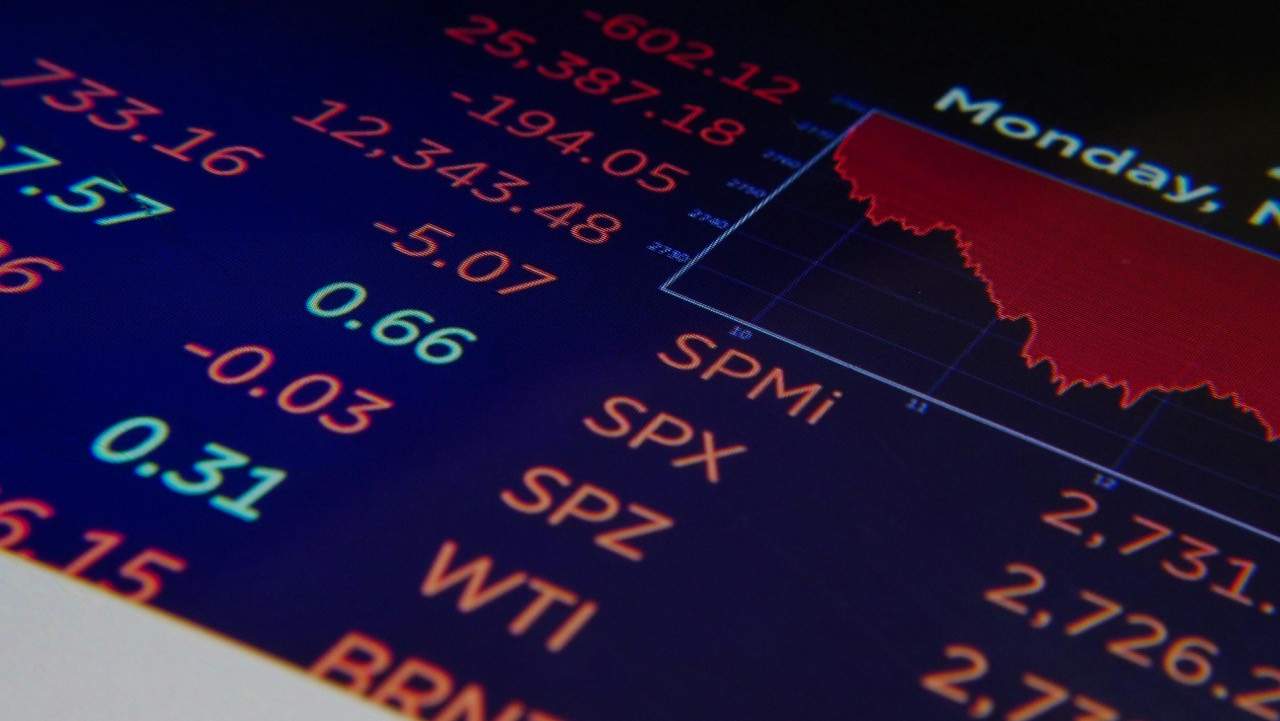
Bear markets feel very different. Prices fall, headlines focus on uncertainty, and volatility increases. Even disciplined investors can feel unsettled when balances decline. Yet from a valuation perspective, this is often when future return potential begins to improve. Lower prices mean new investments are being made at more attractive entry points. Sentiment may be cautious, but long-term opportunity is often rebuilding beneath the surface.
Wealth is built at the end of bear markets - not the top of bull runs.
History provides perspective. Following the Global Financial Crisis in 2008 - 2009, global equity markets entered one of the longest expansionary periods in modern history. After the sharp COVID-related decline in early 2020, markets recovered strongly in the years that followed. At the time, neither recovery felt obvious. The early stages were accompanied by continued uncertainty. That is often how turning points look - unclear and uncomfortable.
This principle does not suggest that investors can reliably identify the precise end of a bear market. It does not imply that markets rebound immediately after every decline. Rather, it highlights that disciplined investing during periods of pessimism has historically rewarded those who maintain a long-term view.
The Kiwi Perspective
For New Zealand investors, this principle is particularly relevant. Whether contributing to KiwiSaver, investing through PIE funds, or building portfolios within family trusts, regular contributions during downturns mean assets are accumulated at lower prices.
While it can feel uncomfortable to see balances fall, ongoing contributions purchase more units when prices are reduced. Over time, as markets recover, those additional units participate fully in the rebound. This steady approach reduces the pressure to make short-term decisions based on headlines and keeps the focus on long-term outcomes.
Market cycles are inevitable - expansion and contraction, optimism and caution. Bull markets do not last forever, and neither do bear markets. What tends to build wealth over decades is not perfect timing, but consistency. Remaining invested through volatility allows compounding to work across full market cycles rather than only during favourable periods.

Wealth is built at the end of bear markets - not the top of bull runs

A measured way to express the core idea is this - wealth is often built by continuing to invest when valuations are lower and sentiment is subdued, and by holding through the recovery that follows. That approach requires patience and emotional discipline, but history suggests it has been one of the steadier paths to long-term growth.
Bear markets test conviction. They challenge confidence and highlight uncertainty. Yet they also reset valuations and create the foundation for future returns. For long-term investors, maintaining a clear plan during these periods can matter far more than reacting to short-term headlines.
Glossary
Bear Market - A bear market is typically defined as a decline of 20 percent or more in share markets from a recent high. It is usually accompanied by negative sentiment, economic uncertainty, and increased volatility.
Bull Market - A bull market refers to a sustained period of rising share prices, often supported by economic growth, improving corporate earnings, and stronger investor confidence.

Mark Jones
Director
Principal Adviser
Simply give Mark Jones a call on 0800 404 202 or send him a message.
This content has been provided for information purposes only and is not intended as a substitute for specific professional advice on investments, financial planning or any other matter. Read our disclaimer notice and privacy statement.